Beginner Home Strength Plan: 3 Days + Printable Checklist
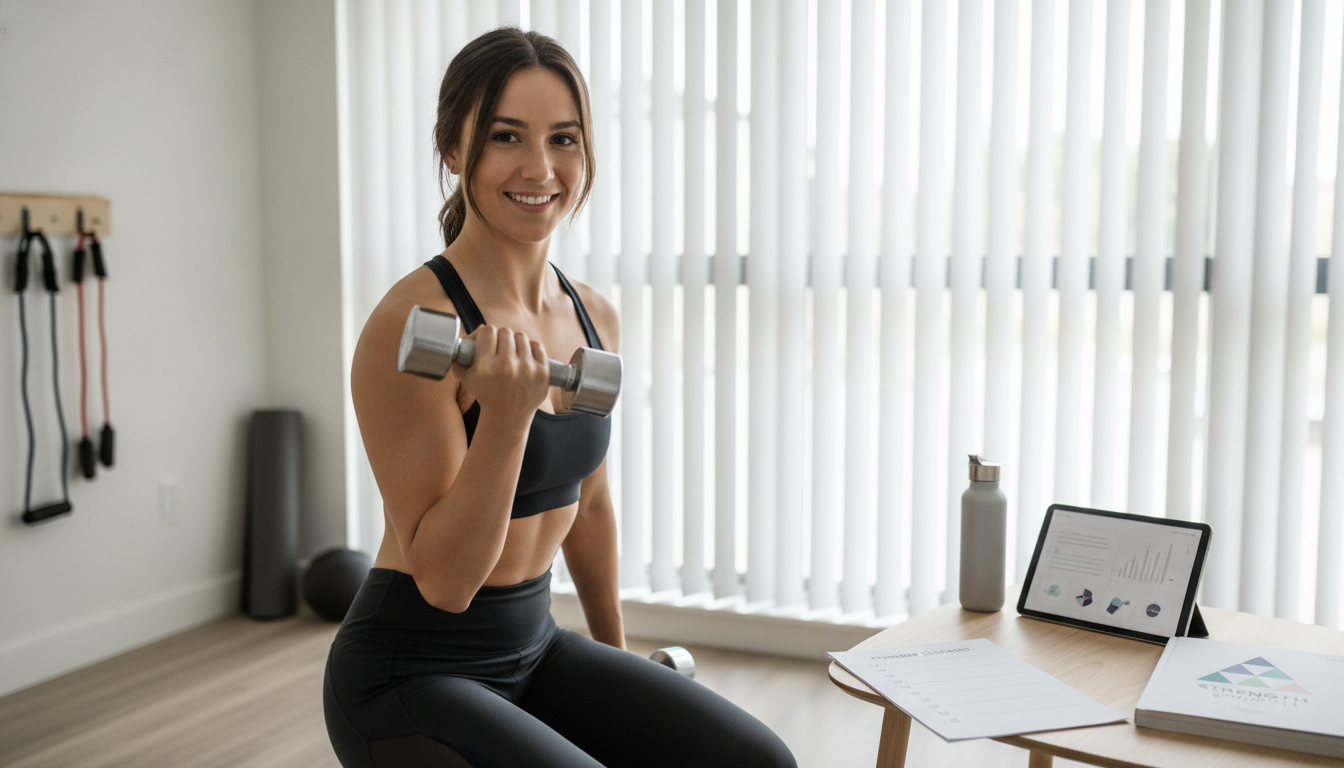
Strength Made Simple: A Beginner-Friendly Home Workout Plan With a Printable Checklist
Building strength at home doesn’t require a gym membership or complicated routines. A small set of easy, repeatable movements—done with good form and a clear weekly structure—can improve full-body strength, posture, and confidence. Below is a beginner-friendly plan you can repeat for a month, plus a simple checklist approach that makes it easier to stay consistent.
For general health, adults are encouraged to include muscle-strengthening activities at least two days per week, alongside regular aerobic activity. See the Physical Activity Guidelines for Americans and the American College of Sports Medicine (ACSM) resources for evidence-based recommendations.
What “getting stronger” means for beginners
Strength improves when your muscles are challenged, then given enough recovery—sleep, nutrition, hydration, and rest days—to rebuild. Early on, “getting stronger” often shows up as better control and smoother reps before it shows up as dramatic visual changes.
- Progress isn’t only heavier weights. It can be more repetitions, better tempo control, longer holds, shorter rest, or slightly harder variations.
- A balanced week includes push, pull/posture, legs/hips, core control, and carry/stability patterns (even if you’re not holding weights, you can still train stability).
- Consistency beats intensity. A manageable plan repeated weekly helps you avoid soreness spikes and keeps momentum going.
A simple set of home exercises (no equipment required)
These movements cover the basics while staying friendly to beginners. Prioritize clean form and a steady breathing rhythm—especially on the lowering phase of each rep.
- Squat or sit-to-stand: Builds legs and hips. Start from a chair if needed; keep knees tracking over toes.
- Glute bridge: Strengthens glutes and hamstrings. Pause 1–2 seconds at the top; avoid over-arching your low back.
- Incline push-up: Hands on a counter or sofa. Keep a straight line from head to heels; lower under control.
- Row alternatives: Towel isometrics (pull against a sturdy, fixed object) or “reverse snow angels” on the floor to wake up the upper back.
- Plank (elevated if needed): Train core stiffness. Aim for a strong brace, not a long shaky hold.
- Dead bug: Core control while arms/legs move. Keep low back gently pressed to the floor.
- Calf raise: Ankle strength and stability. Use a wall for balance; pause at the top and bottom.
Beginner movement menu and easy progressions
| Movement | Start Here | Make It Harder | Form Cue |
|---|---|---|---|
| Sit-to-stand squat | From a chair, 8–10 reps | Lower chair height or add a pause | Chest tall, push through mid-foot |
| Glute bridge | 2 sets of 10 | Single-leg or longer top hold | Ribs down, squeeze glutes |
| Incline push-up | Hands on counter, 6–10 reps | Lower the incline over time | Elbows ~45°, body straight |
| Plank | Knees down or elevated, 15–30 sec | Longer hold or feet elevated | Brace like preparing for a cough |
| Dead bug | 6 reps per side | Slow tempo or longer exhales | Low back stays down |
| Calf raise | 10–15 reps holding wall | Single-leg or slower tempo | Full range: down then up high |
A 3-day beginner schedule that stays manageable
Train three non-consecutive days (for example: Monday/Wednesday/Friday). Keep sessions short—20 to 30 minutes—so they’re easy to repeat even on busy weeks.
- Warm-up: 5 minutes
- Strength circuit: 12–20 minutes
- Cool-down: 3–5 minutes
3-day plan (repeat weekly for 4 weeks before changing much)
| Day | Exercises | Sets x Reps/Time | Rest |
|---|---|---|---|
| Day A | Sit-to-stand squat; Incline push-up; Dead bug; Calf raise | 2–3 x (8–10; 6–10; 6/side; 10–15) | 30–60 sec between moves |
| Day B | Glute bridge; Plank; Reverse snow angel; Split squat (assisted) | 2–3 x (10; 15–30 sec; 8–12; 6–8/side) | 30–75 sec as needed |
| Day C | Squat variation; Push-up variation; Bridge variation; Plank variation | 2–3 rounds, same rep targets as above | Rest to maintain form and steady breathing |
How to progress without overcomplicating it
Warm-up and cool-down that actually help
5-minute warm-up option
3–5-minute cool-down option
Printable checklist and simple tracking (digital download)
A checklist reduces decision fatigue: the plan is already set, so the only task is showing up. If you want a ready-to-print format with the exercise order, rest guidance, and easy tracking pages, the digital guide Strength Made Simple: Easy Exercises to Build Your Power at Home (Digital Download) keeps everything in one place.
Comfort matters, too—especially for squats, split squats, and calf raises. Supportive footwear can help you feel more stable during home sessions; consider Alviero Martini Prima Classe Women’s Lace-Up Shoes if you prefer training in lace-ups instead of barefoot.
Weekly checklist example (copy or print)
| Week | Day A | Day B | Day C | Notes |
|---|---|---|---|---|
| 1 | ☐ | ☐ | ☐ | Energy / soreness / next progression |
| 2 | ☐ | ☐ | ☐ | Form cue to focus on |
| 3 | ☐ | ☐ | ☐ | Increase reps or adjust variation |
| 4 | ☐ | ☐ | ☐ | Review: what improved? |
Common beginner mistakes to avoid
FAQ
How many days per week should a beginner do strength workouts at home?
Two to three days per week on non-consecutive days works well for most beginners. The recovery time helps you practice good form and come back stronger for the next session.
How long does it take to notice strength improvements?
Many beginners notice improvements in 2–4 weeks as coordination and technique improve. Track reps, hold times, or easier variations to see progress even before physical changes are obvious.
Do bodyweight workouts build real strength without weights?
Yes—when you use progressive overload through harder variations, slower tempo, more range of motion, more total reps/sets, or shorter rest. Over time, adding resistance can help, but bodyweight training can build meaningful strength on its own.
















Leave a comment