Easter Table Décor Checklist + Printable Tablescape Planner
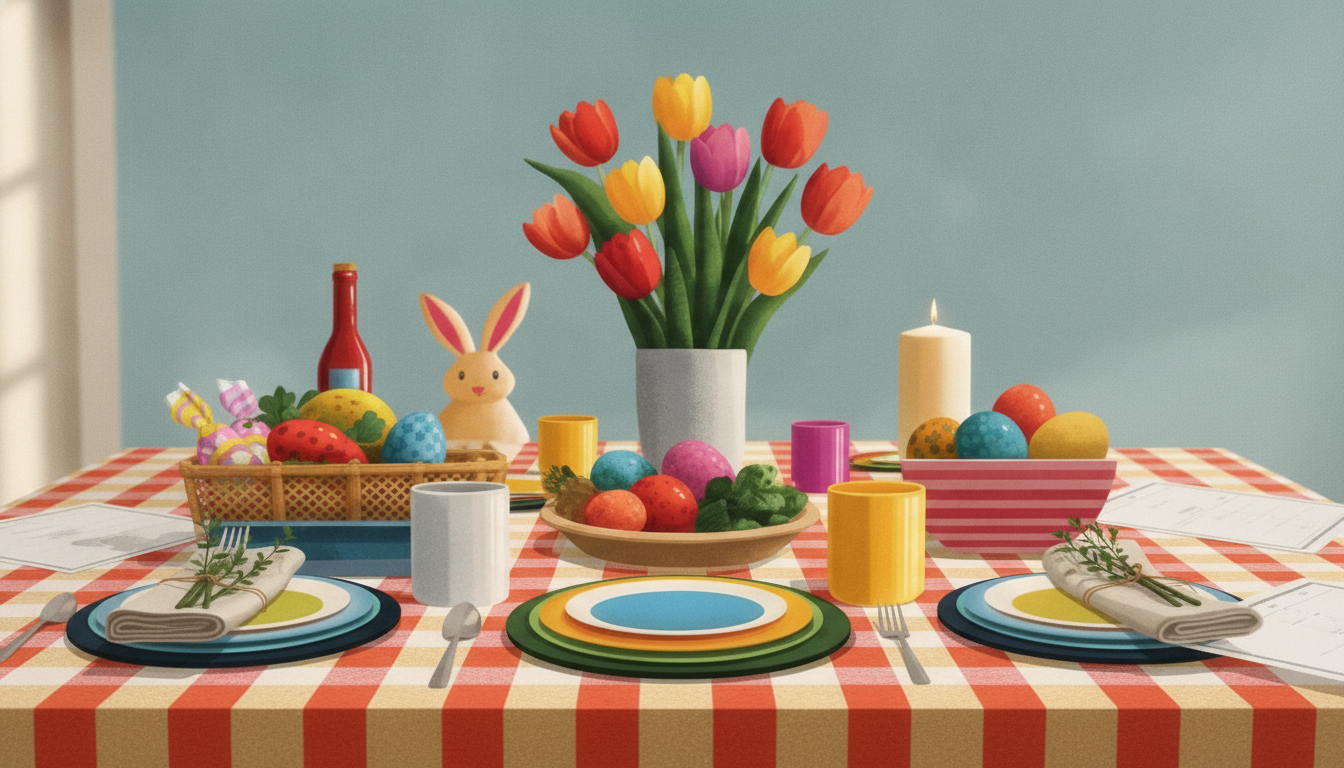
Easter Table Décor Checklist: A Printable Planner for a Spring-Ready Tablescape
A beautiful Easter table comes together faster with a clear plan. A printable checklist and tablescape planner helps map the look, gather what’s needed, and set up in a calm, step-by-step flow—whether the vibe is classic pastels, garden-inspired, or modern minimal. If hosting is on the agenda, a simple “theme-to-items” plan plus a timed setup routine keeps the table polished without feeling overdone.
Start With the Table Plan: Theme, Color, and Guest Needs
Before buying anything new or pulling décor bins from storage, define the table’s “yes list.” A small plan prevents last-minute clutter (and the dreaded centerpiece that blocks conversation).
- Pick a simple theme: garden brunch, farmhouse Easter, modern spring neutrals, or a playful kids’ table.
- Choose a 2–3 color palette: try sage + cream + gold, or blush + lavender + white for a classic spring look.
- Confirm the basics: guest count, dietary needs, seating plan, and whether the meal is plated, buffet, or family-style.
- Match décor to table size/shape: rectangular, round, or extendable—so the center doesn’t get overcrowded.
Fast Tablescape Plan (Theme-to-Items Map)
| Style | Core Colors | Centerpiece Idea | Best Textures | Quick Add-Ons |
|---|---|---|---|---|
| Garden brunch | Sage, white, soft yellow | Bud vases + greenery garland | Linen, rattan, glass | Citrus slices, herb sprigs, ribbon-tied napkins |
| Farmhouse Easter | Cream, blush, natural wood | Wood tray + moss + eggs | Cotton, jute, ceramic | Mini wreaths, burlap bows, speckled egg accents |
| Modern minimal | White, beige, black accents | Single sculptural vase | Matte stoneware, sleek metal | Monochrome eggs, tapered candles, clean place cards |
| Kid-friendly | Pastels, bright pops | Low centerpiece + activity spot | Wipeable placemats, melamine | Egg hunt clues, crayons, small favor cups |
Checklist Essentials: What to Gather Before Decorating
Gather everything first, then decorate—this alone makes setup feel easier. A quick “staging zone” (countertop, sideboard, or a spare chair) keeps items in reach while the table stays neat.
- Base layers: tablecloth or runner, placemats (or chargers), napkins, and a centerpiece base (tray, garland, or vase set).
- Dinnerware and drinkware: plates/bowls, glasses, mugs, serving platters, and a water pitcher.
- Flatware and serving tools: forks/knives/spoons, serving spoons, cake server, tongs, and a bread basket.
- Lighting: candles (tapers or tealights), matches/lighter, and optional small string lights for evening.
- Easter touches: eggs (real or faux), small bunnies, florals (fresh or faux), and place cards.
- Practical backups: stain remover pen, extra napkins, and a small bin for trash/packaging as setup happens.
If candles are part of the look, review basic safety guidance—especially with kids and pets in the mix. The National Fire Protection Association’s candle safety tips are a reliable refresher before lighting anything near linens or greenery.
Set the Foundation: Linens, Layers, and Place Settings
Think “largest to smallest.” When the base layers are aligned, everything else looks more intentional—even simple pieces.
- Start big: tablecloth first, then runner, then placemats/chargers to anchor each seat.
- Choose one hero layer: either a bold runner or bold placemats. Too many statement patterns can make the table feel busy.
- Stack low-to-high: charger (optional) → dinner plate → salad plate/bowl; add a napkin topper last.
- For kids or casual meals: swap chargers for wipeable placemats and keep décor low for easy conversation (and fewer spills).
If you’re serving buffet-style, consider setting plates at the buffet and leaving only napkins, flatware, and drinks at the table to open up space for center décor and passing conversation.
Centerpiece Planning: Height, Safety, and Flow
The centerpiece is the focal point, but it shouldn’t compete with the meal or the people around it. A great rule: if it feels hard to pass a platter, it’s too much.
- Keep it conversation-friendly: under 12 inches, or tall and narrow enough to see around.
- Repeat elements for cohesion: clusters of three bud vases, a garland with candles, or a tray with eggs and florals.
- Place candles carefully: keep flames away from greenery and paper décor; skip strong scents near food.
- Leave serving lanes: ensure at least one clear path for setting down dishes or passing platters.
For outdoor hosting, ensure stable bases for vases and candles (wind-proof holders help), and keep food safety in mind when dishes sit out. The USDA guidance on leftovers and food safety is a helpful reference for timing and temperature awareness.
Finishing Touches That Feel Thoughtful (Not Fussy)
Once the table is built, finishing touches should feel like a small “welcome”—not another full project.
A Simple Setup Timeline (So Nothing Feels Rushed)
Printable Checklist & Tablescape Planner (Instant Download)
FAQ
What should be on an Easter table décor checklist?
Include base layers (cloth/runner, placemats/chargers), place settings (plates, flatware, glassware), centerpiece items (vases/greens/candles), Easter accents (eggs, bunnies, florals), and practical backups (extra napkins, lighter, serving tools).
How do organizers keep the centerpiece from crowding the table?
Use lower arrangements or tall/narrow pieces, keep items clustered on a tray or garland, and leave clear lanes for serving. Aim for under 12 inches in height so guests can comfortably talk across the table.
How far ahead can the table be set?
Most of the table can be set the day before (linens, plates, flatware, and décor). Add fresh flowers and light candles shortly before guests arrive, and cover place settings lightly if needed to keep them dust-free.












Leave a comment