Pet Rat Diet & Feeding Schedule: Meal Plans + Treats
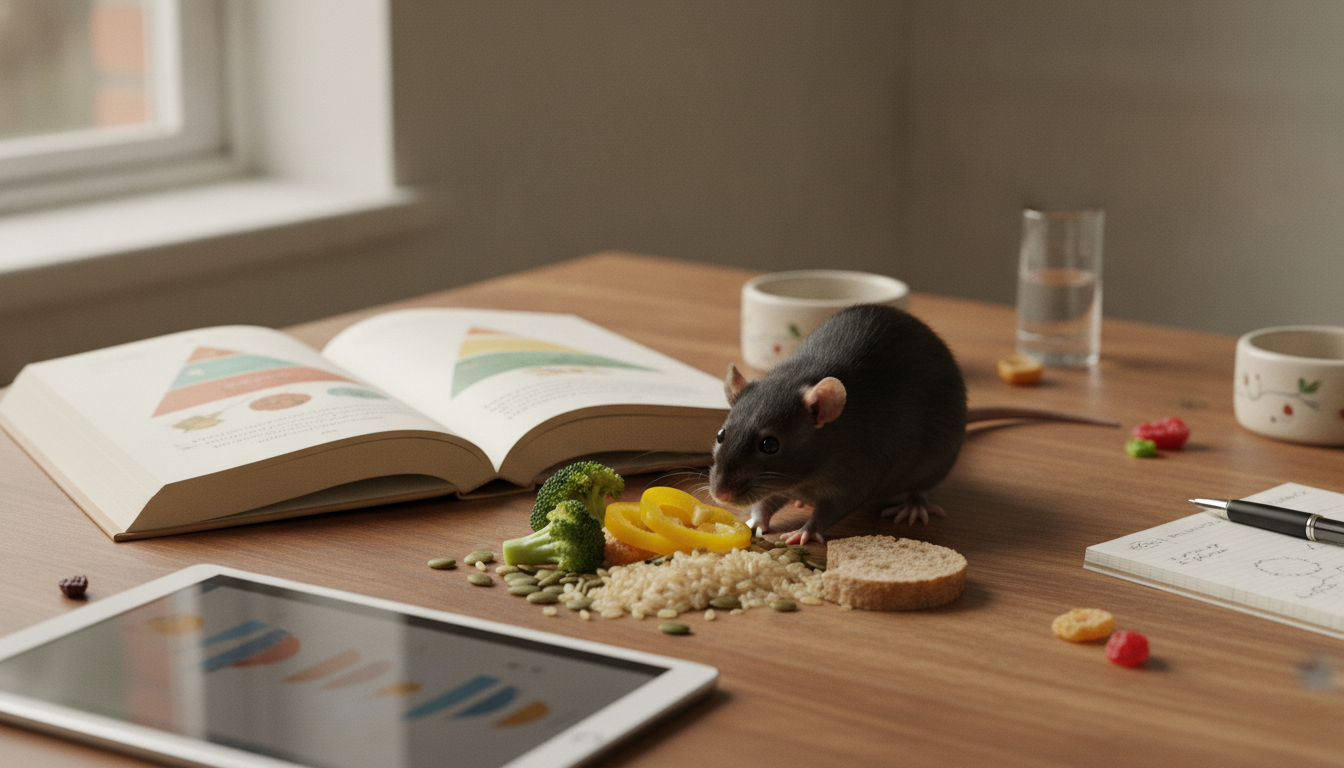
Essential Rat Diet and Feeding Tips: Meal Plans, Schedules, and Treat Ideas
A balanced diet supports healthy weight, bright eyes, clean coats, and steady energy in pet rats. Practical routines matter just as much as “perfect” nutrition: a dependable staple, small fresh-food portions, and a treat strategy that doesn’t quietly double daily calories. Below are simple schedules, mix-and-match meal templates, safe treat ideas, and common mistakes to avoid so daily feeding stays consistent and stress-free. For more guidance, see Psychology 2e.
What a Balanced Rat Diet Looks Like
Start with a formulated staple. For most pet rats, a high-quality lab block or pellet made for rats should be the foundation of the diet. Uniform pieces reduce selective eating (picking favorites and leaving the rest), which is a common cause of nutrient imbalance with mixed diets. For further reading, see Download.
Add fresh foods in small, repeatable portions. Vegetables offered in modest amounts add variety and enrichment. Fruit can be offered occasionally, but because it’s higher in sugar, it’s best treated as a “sometimes” food rather than a daily default.
Adjust protein and fat by life stage. Growing youngsters and nursing does generally need higher protein than stable, healthy adults. Adults tend to do best with moderate protein and a closer eye on calorie-dense add-ons to keep body condition lean.
Keep water available 24/7. Provide fresh, clean water at all times and check bottle function daily (a stuck ball bearing can leave a rat without water). Refresh water regularly and wash bottles to prevent buildup.
Make changes gradually. Sudden diet shifts can trigger soft stools and reduced appetite. When switching staples or adding new foods, transition over several days and observe how each rat responds.
For additional veterinary-oriented background on pet rat care and feeding basics, see the Merck Veterinary Manual’s pet rat overview and the RSPCA rat care advice.
Daily Feeding Schedules That Fit Real Life
Adults: Many adult rats do well with the day’s measured ration split into 1–2 feedings. An evening feeding often matches their natural activity, but consistency matters more than the clock time.
Young rats (weanlings to juveniles): Smaller, more frequent meals can help support steady growth and energy. Monitor body condition—growth should be gradual, not “puffy.”
Seniors: Weigh weekly and adjust portions if weight creeps up or drops. If chewing becomes difficult, prioritize softer produce and consider moistening certain foods rather than switching to a treat-heavy diet.
Multi-rat homes: Offer multiple feeding stations and scatter some of the staple so shy rats can eat without pressure. Watch for guarding behaviors and rotate bowl locations.
Enrichment feeding: Puzzle feeders and scatter feeding encourage natural foraging, slow down fast eaters, and add healthy activity without adding calories.
Example Feeding Schedule by Life Stage
| Life stage | Staple food | Fresh foods | Treat frequency | Notes |
|---|---|---|---|---|
| Juvenile (post-weaning) | Available daily; monitor intake | Small veggie portion daily | Small treats 2–3x/week | Prioritize steady growth; avoid sugary treats |
| Adult | Measured daily portion, 1–2 feedings | Veggies most days; fruit occasionally | Treats 1–2x/week | Maintain lean body condition; limit high-fat snacks |
| Senior | Measured daily portion; adjust as needed | Soft veggies; moist foods if needed | Treats sparingly | Watch weight loss, hydration, and chewing comfort |
Healthy Meal Plan Templates (Mix-and-Match)
1) Feed the staple first. Offer lab blocks/pellets before extras so essential nutrients are eaten even if a rat fills up quickly on “fun foods.” In multi-rat homes, consider spreading the staple across a few bowls or scatter zones.
2) Rotate vegetables for variety. Build a simple rotation with leafy greens and crunchy vegetables. Changing color and texture keeps things interesting without requiring complicated recipes. Keep portions small—think “tasting plate,” not salad bar.
3) Treat fruit like enrichment. Offer fruit in tiny pieces and not every day. A small cube of apple or a single berry can be a high-value reward without turning sugar into a regular habit.
4) Add plain cooked extras sparingly. Tiny amounts of plain cooked grains or legumes can add variety. Avoid salty, buttery, or heavily seasoned foods, and skip sauces entirely.
Treat Ideas That Support Training and Bonding
Foods to Avoid and Common Feeding Mistakes
Troubleshooting: Picky Eaters, Weight Changes, and Multi-Rat Dynamics
Digital Guide for Rat Nutrition: Meal Plans, Schedules, and Treat Lists
Essential Rats Diet and Feeding Tips eBook | Complete Rat Nutrition Guide | Healthy Rat Meal Plans, Feeding Schedules & Treat Ideas | Digital Download for Pet Owners is a ready-to-use option for keeping meal templates, schedules, and treat ideas in one place.
If your home includes other pets, keeping the environment calm helps rats eat confidently and maintain stable routines. For cat households, providing an appropriate outlet for scratching and climbing can reduce boredom-related mischief around small-pet areas: Cat Scratching Tower with Coconut Tree Design, Hammock, and Dual Levels.
FAQ
How often should pet rats be fed?
Most adults do well with a measured daily ration split into 1–2 feedings, often with an evening meal that matches their activity. Juveniles may benefit from smaller, more frequent meals, while seniors often need closer portion adjustments based on weekly weigh-ins. Fresh, clean water should be available at all times.
Can rats eat fruits and vegetables every day?
Vegetables can be offered most days in small portions, while fruit is best given less often because it’s higher in sugar. Introduce new produce gradually and remove leftovers before they spoil to keep the cage clean and reduce bacterial growth.
What should be the main food for pet rats: pellets/blocks or seed mixes?
A formulated rat lab block or pellet is the best staple for consistent nutrition and to prevent selective eating. Seed mixes are easier to pick through, which can lead to an imbalanced diet, so they’re better used only occasionally for enrichment.
















Leave a comment