Capsule Wardrobe System to Cut Decision Anxiety Fast
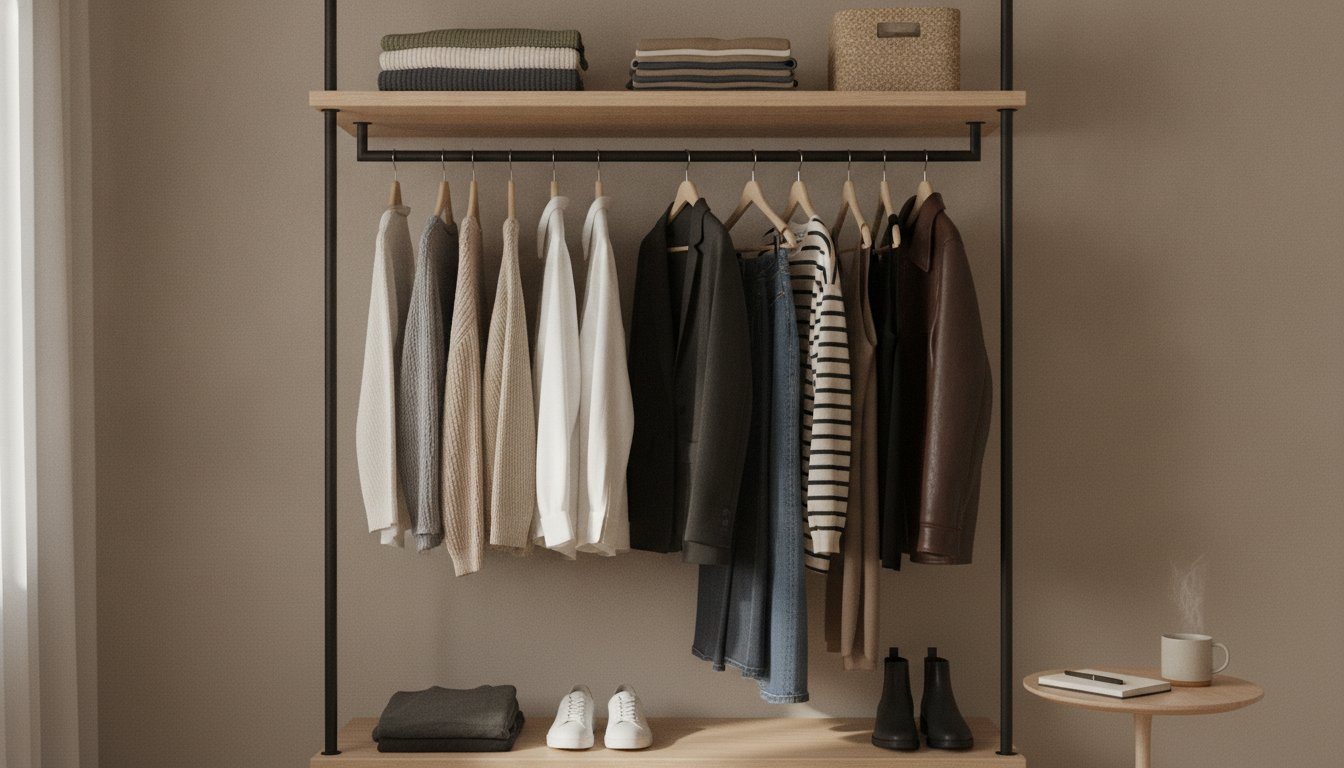
The No-Stress Closet Formula Kit: A Capsule Wardrobe System for Easier Mornings
Decision anxiety often shows up in the closet: too many options, nothing feels right, and time disappears. A capsule wardrobe system reduces daily choices by building a small set of outfits that work together, fit real life, and stay consistent across seasons. This guide explains how the The No-Stress Closet Formula Kit supports that process and how to use a capsule approach to make getting dressed feel simpler and more predictable.
Why getting dressed can feel mentally exhausting
When mornings feel rushed, the closet becomes a high-stakes decision zone. The problem usually isn’t a lack of clothing—it’s a lack of coordination, clarity, and repeatable options.
- Too many choices increase cognitive load, especially when items don’t coordinate or fit well.
- “Nothing to wear” often means there’s no ready-to-go outfit formula for the day’s setting (work, errands, events).
- Clutter hides the best pieces, making it harder to remember what’s available.
- Inconsistent sizing, impulse buys, and “almost right” items create friction and second-guessing.
- A repeatable system lowers the number of daily decisions while still keeping style personal.
This is closely related to decision fatigue—when repeated choices drain mental energy and make later decisions harder. The APA’s definition is a helpful reference point: APA Dictionary of Psychology: Decision Fatigue.
What a capsule wardrobe system changes
A capsule wardrobe isn’t about restricting style or owning a tiny number of items. It’s about building a smaller set of clothes that naturally combine into outfits you’ll actually wear.
- Creates a smaller set of clothes with higher mix-and-match compatibility.
- Builds outfit templates so choices become “pick a template” rather than “start from scratch.”
- Improves confidence by focusing on fit, comfort, and consistent silhouettes.
- Reduces shopping noise by clarifying what’s missing and what should be avoided.
- Makes laundry and packing simpler because pieces are designed to work together.
Research on “choice overload” supports the basic idea: when options multiply, satisfaction can drop and decisions can stall. A readable summary is available here: Nature: A Meta-Analytic Review of Choice Overload.
How the No-Stress Closet Formula Kit supports a low-stress wardrobe
A capsule wardrobe works best when it’s built with structure—otherwise it can turn into another open-ended project. The No-Stress Closet Formula Kit is designed to move you from closet overwhelm to a coordinated capsule using clear steps and decision points that don’t rely on guesswork.
- Designed as a structured, step-by-step system to move from closet overwhelm to a coordinated capsule.
- Helps define a personal style direction so purchases and outfit choices feel aligned.
- Encourages a “core + supports” approach: dependable basics plus a small set of personality pieces.
- Useful for people who freeze at decision points (what to keep, what to donate, what to buy next).
- Works best when paired with a realistic lifestyle audit (work dress code, climate, weekend routines).
One practical add-on that makes capsule dressing even easier is choosing shoes that work with most outfits. A neutral, comfortable pair you can default to—like the Alviero Martini Prima Classe Women’s Lace-Up Shoes—reduces the last-minute “does this look right?” moment at the door.
A simple 5-step setup to reduce decision anxiety
To make the capsule concept usable (not just inspirational), build it around repeatable defaults. The goal is fewer decisions, not fewer outfits.
- Step 1: Define 2–3 main contexts (work, casual, social) and choose one “default” outfit style for each.
- Step 2: Pick a tight color palette (2 neutrals + 1–2 accent colors) to increase compatibility.
- Step 3: Choose 1–2 go-to silhouettes (e.g., straight-leg bottoms + layered tops) to remove guesswork.
- Step 4: Keep only items that fit now, feel good on the body, and match the palette and silhouettes.
- Step 5: Build outfit sets ahead of time and store them visually (hang complete looks or group by template).
Capsule wardrobe blueprint (example you can adapt)
Starter capsule checklist for a coordinated week-to-week rotation
| Category | Quantity range | Notes to keep choices simple |
|---|---|---|
| Tops | 6–10 | Favor consistent necklines and fabrics that layer easily |
| Bottoms | 3–5 | Choose silhouettes that work with most shoes and tops |
| Layers | 2–4 | One lightweight, one warmth layer, one polished option if needed |
| Dresses/Jumpsuits | 0–3 | Only if they match your real weekly routine |
| Shoes | 2–4 | Pick a default pair; add one dressier and one weather option |
| Outerwear | 1–3 | Match palette; keep a reliable everyday coat/jacket |
| Accessories | 3–8 | Use to vary outfits without adding new clothing decisions |
A weekly routine that keeps the closet calm
Who this system fits best
FAQ
How many pieces should a capsule wardrobe have?
A practical range is often 25–45 pieces for a season (including shoes and outerwear), but the best number depends on how often you do laundry and how many contexts you dress for each week. Start smaller than you think, focus on compatibility, and only add items when a real gap shows up during wear.
How long does it take to build a capsule wardrobe that actually feels easy?
A first pass can be done in a weekend if you’re focusing on a tight palette and a few silhouettes, but the “easy” feeling typically comes after a few weeks of wear-testing. Track what causes friction (pinching waistbands, awkward layers, missing shoes) and refine one problem at a time.
What if favorite items don’t match the capsule color palette?
Keep a small “wild card” section for favorites that bring joy, and use bridging neutrals (like denim, black, cream, or gray) to make them easier to wear. The goal is repeatable outfits, so avoid rules that create stress or force you to abandon pieces you genuinely use.












Leave a comment