Boss Men’s Black Lace-Up Sneakers: Fall/Winter Ready
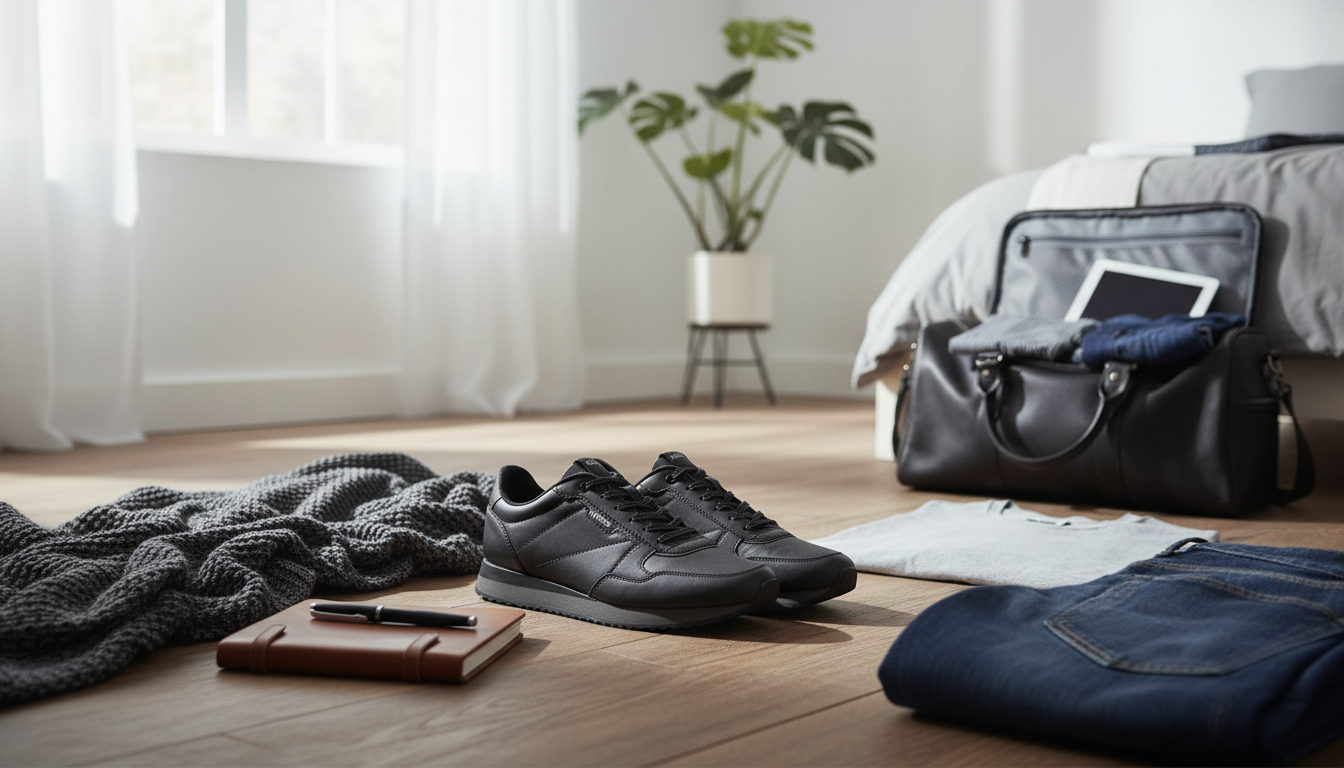
A dependable cold-season sneaker should handle slick sidewalks, shifting temperatures, and long days on the move without looking bulky. These Boss Men’s Black Lace-Up Sneakers for Fall and Winter are built for easy outfits, steady comfort, and a clean, city-ready profile that works from commuting to weekend plans.
What Makes Them a Strong Cold-Season Everyday Sneaker
When fall turns into winter, footwear has to do more than match your jacket. The value of a black lace-up sneaker is how effortlessly it fits into cold-weather routines without forcing a heavy, rugged look.
- Sharp, easy-to-style black finish: Black lace-ups pair smoothly with darker denim, wool trousers, and layered outerwear, keeping your outfit streamlined.
- Adjustable lace-up closure: Laces let you fine-tune fit throughout the day, especially when switching between regular and thicker socks.
- Low-profile silhouette: A cleaner alternative to bulky boots, while still feeling season-appropriate with a coat, scarf, or puffer.
- Versatile for travel and commuting: Ideal when packing space is tight and you need one pair that works across multiple outfits and settings.
Quick Product Snapshot
If you’re looking for a simple, daily sneaker option for cooler months, this snapshot covers the essentials at a glance.
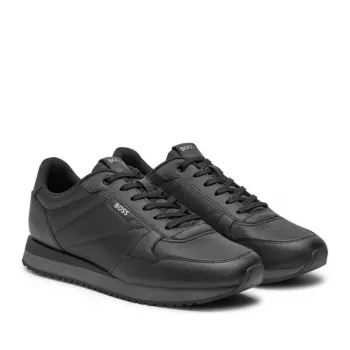
- Model: Boss Men’s Black Lace-Up Sneakers for Fall and Winter.
- Price: $83.51 (USD).
- Availability: In stock (50 units).
- Best use: daily wear in cool to cold weather with casual to smart-casual outfits.
At-a-Glance Details
| Detail | Value |
|---|---|
| Product | Boss Men’s Black Lace-Up Sneakers for Fall and Winter |
| Color | Black |
| Closure | Lace-up |
| Season | Fall/Winter |
| Price | 83.51 USD |
| Stock | In stock |
Fit and Comfort for All-Day Wear
Cold-weather comfort is a blend of fit, circulation, and how your socks and lacing work together. A lace-up sneaker is especially practical here because it adapts to different foot shapes and day-to-day changes.
- Micro-adjustable midfoot fit: Lacing can reduce pressure points during longer walks by letting you loosen or snug specific zones.
- Socks matter as much as the shoe: Medium-to-thick socks can help with warmth and moisture management, but give your feet room by loosening laces slightly when you size up in sock thickness.
- Optional insole upgrade: For high-mileage days, adding a supportive insole can provide extra structure if you prefer more arch support.
- Leave toe room: Aim for about a thumb’s width in the toe area to account for natural swelling over the day and to avoid cramped toes in colder temperatures.
For general footwear fit and comfort guidance, the American Podiatric Medical Association (APMA) offers practical recommendations that apply well to everyday sneakers.
Styling Ideas: From Commute to Weekend
Black sneakers earn their keep when they look intentional with layers. The goal is to keep the overall outfit cohesive: darker socks, clean pant hems, and outerwear with some structure.
- Office-casual: Dark denim or tailored chinos + a merino crewneck + wool topcoat. Black sneakers keep the line clean without looking sporty.
- Weekend layers: Tapered joggers or jeans + hoodie + puffer. The lace-up profile reads as a deliberate choice rather than “gym-only.”
- Smart-casual dinner: Black jeans + overshirt or a blazer. Keep socks dark to maintain a streamlined look from hem to shoe.
- Rainy-day outfit: Water-resistant jacket + darker pants to hide splashes. Wipe the sneakers after exposure to help prevent staining and dullness.
Cold-Weather Use: Traction, Moisture, and Temperature Swings
Fall and winter conditions change quickly: a dry morning can turn into wet sidewalks by afternoon. Keeping sneakers comfortable in the cold is often more about managing moisture and fit than chasing maximum thickness.
- Post-wet routine: If you hit slush or wet sidewalks, remove surface grime and let the shoes dry fully. Moisture left overnight can shorten the life of many materials.
- Warmth without overstuffing: Thicker socks help, but avoid packing the shoe too tightly—restricted circulation can make feet feel colder.
- Water-repellent spray: If you regularly deal with light rain or occasional snow, apply a suitable water-repellent product for your shoe’s material and reapply as directed.
- Rotate when possible: Giving shoes a full day to dry out can help maintain comfort and reduce odor buildup over a long season.
For broader guidance on staying safe in cold conditions (especially during long outdoor commutes), the CDC’s cold stress resource outlines key considerations around temperature exposure.
Care and Maintenance for a Cleaner Look All Season
Black sneakers look best when they’re consistently maintained. A quick, repeatable routine usually works better than occasional deep cleaning.
If you’re relying on care instructions for socks or other cold-weather textiles, the FTC’s Care Labeling Rule is a helpful reference for understanding what labels mean and how to follow them.
When to Choose Sneakers vs. Boots in Winter
Related Pick for Gifting or a Second Pair
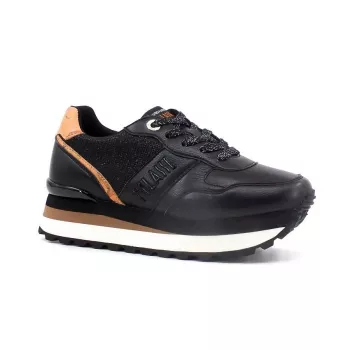
- Consider Alviero Martini Prima Classe Women’s Lace-Up Shoes for a coordinated fall/winter look that’s easy to mix and match with neutral outerwear.
- Keeping colors aligned (black, tan, and other neutrals) makes it simpler to share style cues across coats, scarves, and everyday layers.
FAQ
Are lace-up sneakers warm enough for winter?
They can be comfortable on cold, mostly dry days when paired with thicker socks and used for commuting or indoor-heavy routines. For snow, ice, and extended time outdoors, boots with insulation and weather protection are usually a better choice.
How should black sneakers be cleaned in wet fall weather?
Let them air-dry at room temperature, brush off dried debris, then wipe with a damp cloth. Avoid direct heaters, and consider using a water-repellent spray that’s appropriate for the shoe’s material.
What socks work best with fall and winter sneakers?
Medium-to-thick socks (often wool or wool-blend) help with warmth and moisture management. If socks are thicker than usual, adjust the laces to avoid tightness and maintain good circulation.












Leave a comment