Winter Travel Packing System: Stay Warm Without Bulk
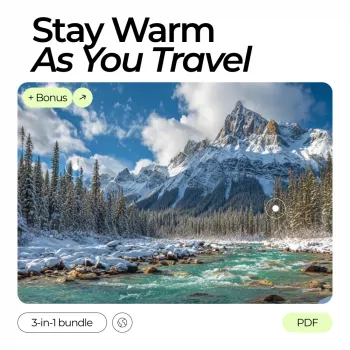
Stay Warm Anywhere You Travel with a Smart Packing System
Cold-weather trips get easier when warmth is built into the packing plan. A smart system focuses on layers, moisture control, and space-saving organization so comfort stays consistent from airports to outdoor excursions—without overpacking. The goal isn’t bringing more clothing; it’s bringing the right pieces in the right order, so your warmth follows you from curbside check-in to snowy sidewalks and late-night room temperatures.
The Smart Packing System: Warmth Without Bulk
Warm travel starts with a repeatable formula that works across climates, not a suitcase stuffed “just in case.” Build your kit around a three-part layering setup: a base layer to move moisture away from skin, a mid layer to trap heat, and an outer layer to block wind and precipitation. That structure keeps you adaptable when temperatures swing between indoor heating, transit, and outdoor exposure.
Next, pack by “heat zones.” Protect the core (torso) first, then extremities (hands, feet, head), then your sleep system for nighttime warmth. This keeps you from wasting luggage space on duplicates that don’t solve the real problem—cold fingers during a walking tour, damp socks after slush, or shivering in a drafty room.
Finally, choose a small set of items that mix and match across city walking, transit days, and outdoor time. Organization seals the deal: packing cubes or compression bags let you separate dry layers from damp items and make daily “grab and go” faster.
If you want a ready-to-use baseline, consider a bundled option like the Smart packing system for winter travel, then adjust around your destination’s wind, wet snow, and time spent outdoors.
Core Layering Checklist for Cold Climates
Start with the pieces that do the most work: base, mid, and outer layers. For active days, avoid cotton; once it’s damp, it steals heat quickly. Merino wool and technical synthetics help you stay warmer with fewer items because they dry faster and manage moisture better.
- Base layers (2–3 sets): merino wool or synthetic; avoid cotton for active days.
- Mid layers (1–2): fleece, lightweight down/synthetic puffy, or a wool sweater.
- Outer layers (1 set): insulated parka for city use and/or a shell jacket for wind/wet snow; consider snow pants for extended outdoor time.
- Neck/face protection: buff or neck gaiter; add a balaclava in wind-prone destinations.
Layering guide by conditions
| Conditions | Base layer | Mid layer | Outer layer | Extras that matter |
|---|---|---|---|---|
| 0°C to 10°C (32°F to 50°F), dry | Lightweight merino/synthetic | Fleece or light sweater | Wind-resistant jacket | Beanie for mornings, light gloves |
| -10°C to 0°C (14°F to 32°F), windy | Midweight merino/synthetic | Puffy or heavy fleece | Windproof shell or parka | Neck gaiter, insulated gloves |
| -20°C to -10°C (-4°F to 14°F), very cold | Mid/heavyweight base | Puffy + fleece (stacked) | Insulated parka + insulated pants | Balaclava, liner gloves, toe warmers |
| Wet snow/freezing rain | Quick-drying base | Insulation that retains warmth when damp | Waterproof-breathable shell | Spare socks, waterproof gloves/overmitts |
For more background on layering fundamentals and why each layer matters, REI’s guide is a solid reference: How to Dress in Layers.
Feet: The Fastest Way to Lose Comfort
If your feet get cold or wet, the whole trip feels harder. Pack 3–5 pairs of socks: a mix of merino hiking socks and thinner liners for moisture control. Liners help on long walking days because they reduce friction and move sweat away from skin, while thicker socks provide insulation when you’re standing around outside.
- Bring 3–5 pairs of socks: mix merino hiking socks and thinner liners for moisture control.
- Match footwear to terrain: traction and insulation should fit ice, slush, packed snow, or city sidewalks.
- Plan for wet: pack one extra pair of insoles or quick-dry inserts if boots get soaked.
- Protect circulation: if footwear is tight, toes get colder—size boots/shoes to allow warm socks without compression.
For everyday winter walking, supportive lace-up styles can help with stability and fit adjustments throughout the day, like Lace-up shoes for everyday winter walking.
Hands, Head, and Face: Small Items, Big Impact
When wind is a factor, perceived temperature can drop quickly; NOAA’s wind chill guidance is a useful planning tool: NOAA National Weather Service — Wind Chill.
Sleep and Recovery: Staying Warm After Dark
For cold-risk awareness while traveling, the CDC’s hypothermia overview offers practical safety reminders: CDC — Hypothermia.
Smart Organization: Packing Order That Works in Real Life
A Ready-Made System for Cold-Weather Travel
For a pre-built checklist-style setup that’s easy to follow and repeat trip after trip, start with the Stay Warm Anywhere You Travel with a Smart Packing System – Winter Travel Packing List for Cold Climates.
FAQ
How many base layers are enough for a week in a cold destination?
Two to three base-layer sets are usually enough if you rotate and fully dry them overnight. Merino or quick-drying synthetics make re-wearing more comfortable, and keeping separate sleep layers helps you avoid putting on damp fabric at night.
What’s the warmest way to layer without feeling restricted?
Use a breathable base layer, add lofted insulation as a mid layer, and finish with a wind- or waterproof outer layer. Stacking two lighter mid layers often feels less restrictive than one bulky piece, as long as nothing is tight enough to limit movement or circulation.
How can wet snow be managed when traveling carry-on only?
Prioritize a waterproof outer layer, pack spare socks and glove liners, and separate damp items in a lightweight wet bag. Choose quick-dry fabrics and set a nightly routine to air out insulation and dry tomorrow’s base layer.















Leave a comment