Dr. Martens Women’s Leather Boots: Fit, Care & Style
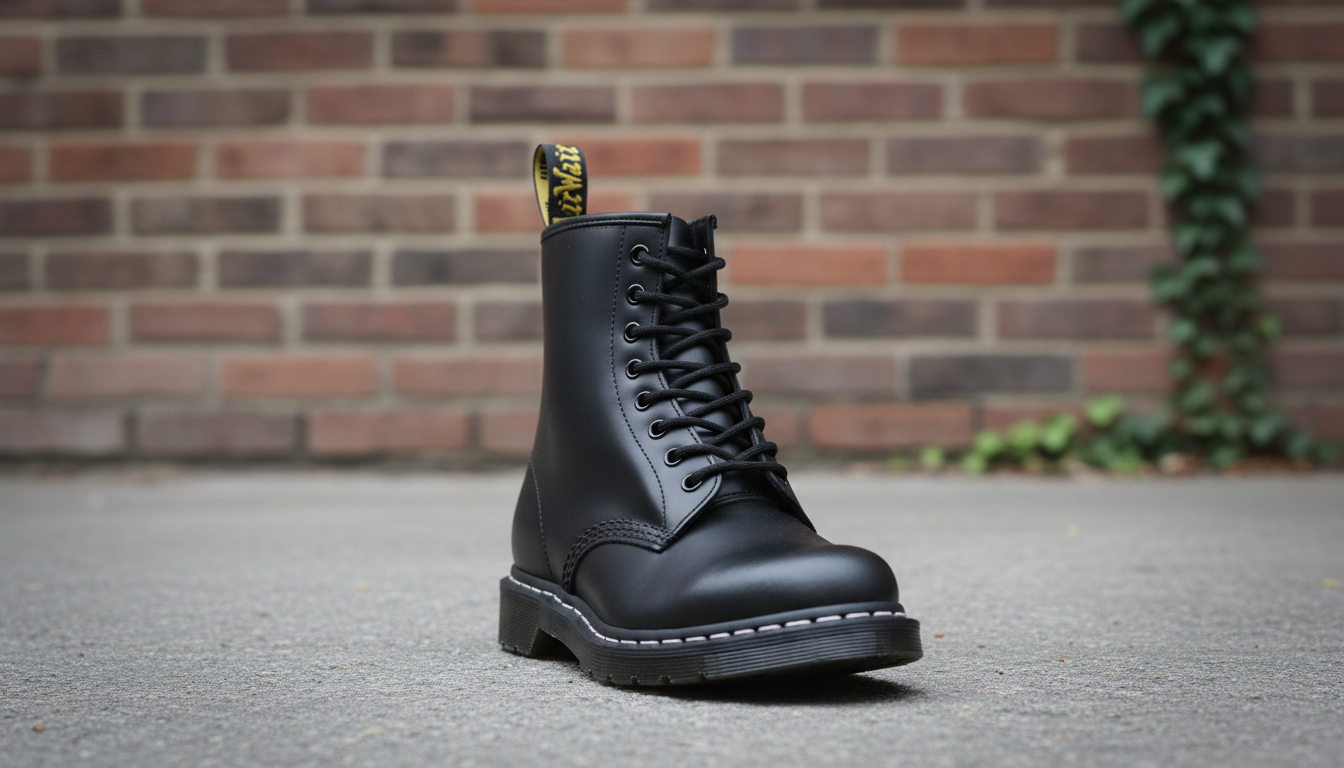
Dr. Martens Women’s Leather Boots: Fit, Care, and Everyday Styling
Dr. Martens women’s leather boots are known for their distinctive silhouette, supportive build, and leather that breaks in over time. The reward is a pair that can feel uniquely “yours” after a few weeks of wear. Below is a practical guide to what to look for, how they tend to fit, how to style them across seasons, and how to care for leather so the boots stay comfortable and durable. For more guidance, see The Dr Martens Care Guide.
What makes Dr. Martens leather boots stand out
Dr. Martens boots have a recognizable look, but the appeal goes beyond aesthetics. Many wearers stick with them because they’re built for repeat, everyday wear while still styling easily with staples already in your closet.
- Leather uppers that soften over time: The leather gradually relaxes and molds with wear, though the break-in experience depends heavily on the finish.
- Sturdy outsole for daily walking: The outsole is designed to handle frequent use, making these a go-to option for commuting, travel, and long days on your feet.
- Iconic profile: The boot silhouette plays well with casual basics (denim, tees, knits) and can also contrast nicely with more polished pieces.
- Lace-up adjustability: Many models use a lace-up structure that lets you fine-tune tightness through the instep and ankle—helpful for dialing in a secure feel.
Choosing the right leather for comfort and break-in
Leather choice has an outsized impact on first impressions. Some leathers feel structured and need patience, while others are more forgiving from day one. If comfort is the top priority, lean toward softer finishes and plan on wearing cushioned socks during early outings.
Leather types and what to expect
| Leather finish | Feel on day one | Break-in time | Best for |
|---|---|---|---|
| Smooth leather | Firm, structured | Moderate to longer | Classic look, long-term wear |
| Nappa/soft leather | More flexible | Shorter | Comfort-first, frequent wear |
| Patent/coated | Stiffer surface | Varies (often moderate) | Statement styling, easy wipe-down |
Patent or coated finishes can be especially eye-catching and easy to wipe clean, but they may crease differently and feel less pliable at the flex points. Smooth leather, while classic, often feels the most rigid initially—patience pays off if you’re aiming for that traditional, lived-in look.
Fit and sizing: getting a secure feel without pinching
A good fit should feel stable through the heel and midfoot without squeezing your toes. Leather can relax slightly as it warms and flexes, but the length usually doesn’t increase much, so don’t count on a “too short” boot becoming roomy later.
- Toe room: Aim for light wiggle space at the front. Your toes shouldn’t press the end of the boot when standing.
- Heel area: Mild rubbing during early wears is common, but the heel shouldn’t lift dramatically. A secure heel reduces blister risk.
- Instep and ankle: Laces help distribute pressure. If the top line feels tight, adjust lacing tension or try skipping an eyelet over the sensitive spot.
- Between sizes: Decide based on whether you’ll wear thicker socks or add insoles for cushioning or arch support.
Comfort strategy for the first two weeks
The easiest break-in is the one you barely notice. Think “slow and steady” rather than marathon wears on day one.
- Start small: Wear the boots for 30–90 minutes at a time and increase gradually, especially if the leather feels rigid.
- Pick the right socks: Cushioned or hiking-style socks help reduce friction and fill small gaps that can cause rubbing. Save ultra-thin socks for later.
- Protect hot spots: Use blister pads or heel guards at the first sign of friction rather than waiting for a blister to form.
- Condition lightly when appropriate: A small amount of suitable conditioner can help maintain suppleness, but avoid oversaturating leather or using products that could alter the finish.
How to style women’s leather boots year-round
One reason leather boots stay in heavy rotation is their versatility. Dr. Martens can anchor an outfit or create contrast with softer fabrics.
Leather care and maintenance
For brand-specific recommendations, consult the Dr. Martens Shoe Care Guides. For background on how leather behaves and why it changes with wear, see Encyclopaedia Britannica’s overview of leather.
Quick comparison: featured boots and an alternative
| Option | Style | Best for | Link |
|---|---|---|---|
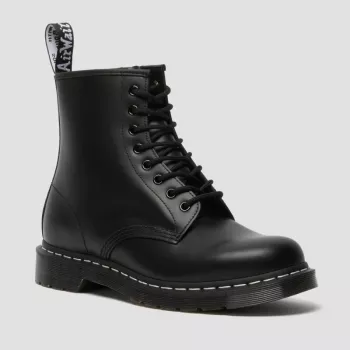
| Dr. Martens Women’s Leather Boots | Classic leather boot | Everyday wear, casual to smart-casual outfits | Dr. Martens Women’s Leather Boots |
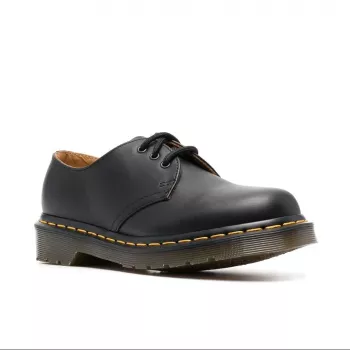
| Alviero Martini Prima Classe Women’s Lace-Up Shoes | Lace-up shoe | A dressier alternative with a lower profile | Alviero Martini Prima Classe Women’s Lace-Up Shoes |
When to replace or resole
FAQ
Do women’s Dr. Martens leather boots run true to size?
Fit can vary by model and foot shape, so focus on getting the right length while keeping the heel secure. Leather may loosen slightly with wear, but the length typically won’t increase, so don’t size down if your toes feel crowded. If you plan to wear thick socks or add insoles, factor that into sizing.
How can leather boots be broken in without blisters?
Break them in with short wear periods, cushioned socks, and blister pads or heel guards on friction zones. Adjust lacing to reduce pressure points, and increase wear time gradually over 1–2 weeks. Avoid quick-fix methods like soaking or high heat, which can damage leather.
How should leather boots be cleaned and conditioned?
Wipe off dirt with a damp cloth and let the boots air-dry away from direct heat. Condition occasionally with a product appropriate for your leather finish, using a light hand to avoid residue or unwanted shine changes. In wet climates, consider a leather-safe protectant after testing a small area.












Leave a comment