Fitness for Focus: 10-Min Checklist for Clear Workdays
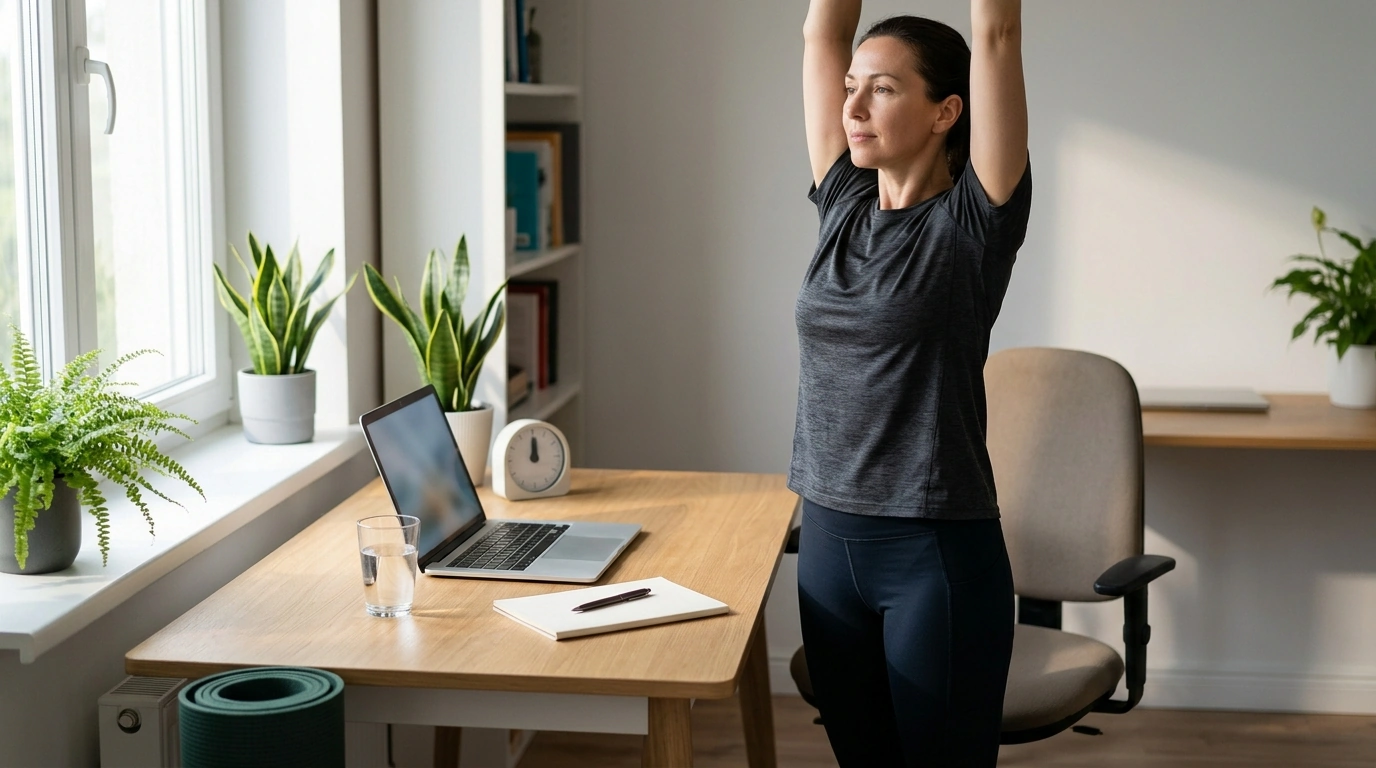
Fitness for Focus Checklist: A Simple Routine for Mental Clarity, Energy, and Better Work Sessions
Focus isn’t only a mindset—it’s often a body state. Strategic movement, hydration, light, and short recovery breaks can reduce mental fog and make deep work feel more accessible. This checklist-style routine is designed to fit into real schedules, using small actions that add up to steadier energy and clearer thinking.
What “fitness for focus” means (and why it works)
“Fitness for focus” is the practical skill of using simple physical inputs to make thinking feel easier. When your body has better blood flow and oxygen delivery—and your energy is steadier—attention tends to feel less fragile. Even short movement breaks can support alertness and mood, which is why many people find a 5-minute reset more realistic (and more repeatable) than waiting for a full workout window.
A checklist helps because it reduces decision fatigue. Instead of negotiating with yourself—“Should I stretch? Walk? Drink water?”—you run a repeatable sequence and get back to work. For day-to-day clarity, consistency matters more than intensity, especially when the goal is productivity rather than athletic performance.
It also works best as a “focus stack”: movement plus a few basics (water, posture resets, daylight, breathing) that together nudge your nervous system toward calm energy.
How to use a focus checklist day-to-day
Pick one primary time anchor so the routine becomes automatic. For many schedules, the simplest anchors are: before starting work, a mid-day reset, or a pre-evening task boost. Start with a 5–10 minute “activation” rather than waiting to feel motivated; momentum usually follows the first small action.
Keep the checklist visible where decisions happen—on a desk, inside a notebook, or saved as a one-tap PDF. On low-energy days, do the minimum viable version (2–3 items). On better days, run the full routine. Track completion with quick checkmarks; avoid over-logging that turns self-care into another task.
If you want a ready-to-print layout with clear boxes and short prompts, the Fitness for Focus Checklist printable digital download makes it easy to stick with the same sequence for a full week before you adjust anything.
Quick movement options that support concentration
Short movement “snacks” can be enough to shift your state. Keep intensity moderate if focus is the goal—pushing to exhaustion can backfire right before a demanding work block.
- Low-impact cardio (3–8 minutes): brisk walking in place, stairs, marching, or a short outdoor loop.
- Mobility flow (4–6 minutes): neck releases, thoracic rotations, hip hinges, and ankle circles to reduce tension that distracts.
- Strength snack (3–6 minutes): bodyweight squats, wall push-ups, glute bridges, or band pulls to feel more “switched on.”
- Breath + posture reset (2–3 minutes): slow nasal breathing with a tall spine to downshift stress and improve desk comfort.
- Eye and focus breaks (1–2 minutes): look far away, blink, and relax the jaw after long screen time.
Focus-Boosting Mini-Routines (Pick One)
| Goal | Time | Routine | Best When |
|---|---|---|---|
| Wake up the brain | 5 min | 1 min marching + 2 min brisk pace + 2 min easy pace | Starting a work block |
| Reduce tension | 6 min | Cat-cow + thoracic rotations + hip hinges + calf stretch | Stiff neck/back from sitting |
| Steady energy | 4 min | 8 squats + 8 wall push-ups + 20-sec plank, repeat 2x | Afternoon slump |
| Calm and refocus | 3 min | Box breathing (4-4-4-4) + shoulder rolls + tall posture | Stress, racing thoughts |
| Screen reset | 2 min | 20–30 sec distance gaze + eye circles + jaw/temple release | After long meetings |
Build a self-care routine that supports productivity (without perfection)
Movement is the centerpiece, but the “supporting cues” are what make the routine feel smoother and more reliable.
If sleep is limited, keep the routine shorter and gentler. The target is steadier functioning—not “max output.” For additional guidance on how activity supports overall health, see the CDC’s Physical Activity Basics and the NIH overview on exercise and the brain.
A printable planner approach: weekly structure that stays flexible
Comfortable gear can make short activity breaks more appealing. If a quick walk is your go-to reset, consider supportive everyday footwear like the Alviero Martini Prima Classe Women’s Lace-Up Shoes. If stepping outside is part of your light-and-air break, an inviting outdoor space can help you actually use it—options like the 7-Piece PE Rattan Patio Furniture Set with Cushions can turn a “maybe later” reset into a real habit.
Printable digital download: what to look for and how to print
If you want a simple, repeatable layout built for busy days, the Fitness for Focus Checklist printable digital download is designed to make the routine easy to start and easy to stick with.
FAQ
How long should a focus-boosting workout be?
Most focus-boosting sessions work well in the 3–15 minute range, especially when kept at moderate intensity. On busy days, a “minimum” option can be just 3 minutes: water + brisk movement + a quick posture reset.
Is it better to exercise before work or during breaks?
Both can work: a short activation before work can create momentum, while mid-day resets help with slumps and screen fatigue. Choose one anchor time you can repeat most days, then use the same checklist to stay consistent.
What if soreness or low energy makes movement feel harder?
Scale down and go gentler: walking, mobility work, and breathing resets can support focus without adding strain. Prioritize hydration and a quick light break, stop if you feel pain, and consult a qualified professional if symptoms persist.















Leave a comment