Platform Bed Disadvantages: Height, Airflow, and Fit
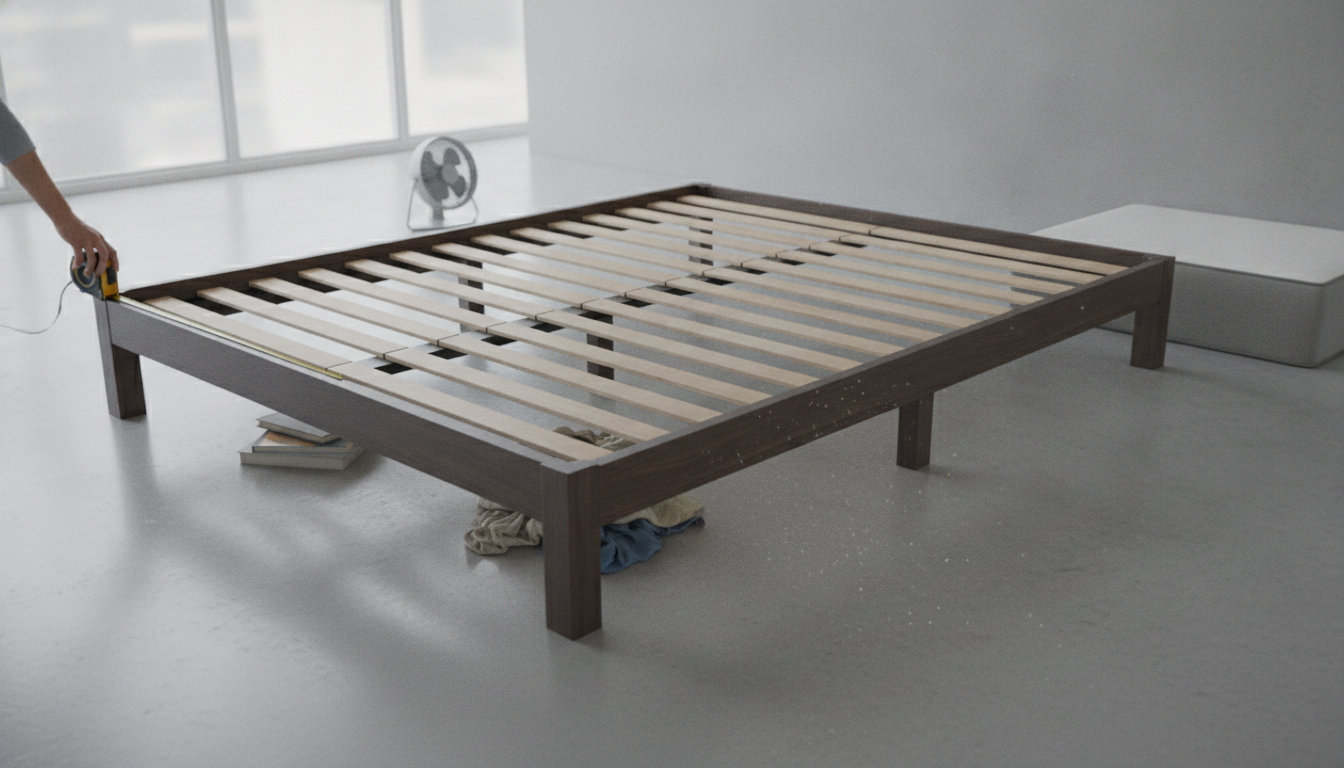
What are the disadvantages of a platform bed?
Platform beds are popular for their clean lines and the ability to support a mattress without a box spring, but they’re not perfect for every sleeper or room. The main drawbacks tend to come down to height, airflow, compatibility, and day-to-day practicality.
Lower height can feel less comfortable
Many platform beds sit closer to the floor than traditional bed frames. That can make it harder to get in and out of bed for some people, and it may not deliver the “tall bed” look many prefer.
Heavier and harder to move
Platform beds—especially wood or solid construction styles—can be bulky. Moving them between rooms, up stairs, or through tight hallways often takes more effort than a basic metal frame.
Potentially reduced airflow under the mattress
Some platform designs use a solid deck instead of slats. Less ventilation underneath the mattress can contribute to heat retention or moisture buildup, particularly in humid climates or in rooms with limited airflow.
Mattress compatibility issues
Not every mattress performs the same on every platform. Spacing between slats that’s too wide can reduce support for certain foam mattresses, while a solid surface may change the feel of more responsive designs. Checking the manufacturer’s recommended support system matters.
Limited under-bed storage
Some platform beds offer drawers or clearance, but many sit low or include a base that blocks storage access. If under-bed bins are part of your organization plan, measure clearance before buying.
For a deeper breakdown and tips on choosing the right setup, see the full guide here: What are the disadvantages of a platform bed?.
For Platform Bed Disadvantages: Height, Airflow, and Fit, the best answer depends on fit, material, care instructions, and how the product will be used day to day.
FAQ
Do platform beds need a box spring?
Most platform beds are designed to be used without a box spring because the base (slats or a deck) provides direct mattress support. Some people still add a low-profile foundation for extra height, but it’s optional if the bed is built for direct support.













Leave a comment