Timberland Men’s Leather Boots: Fit, Care & Everyday Wear
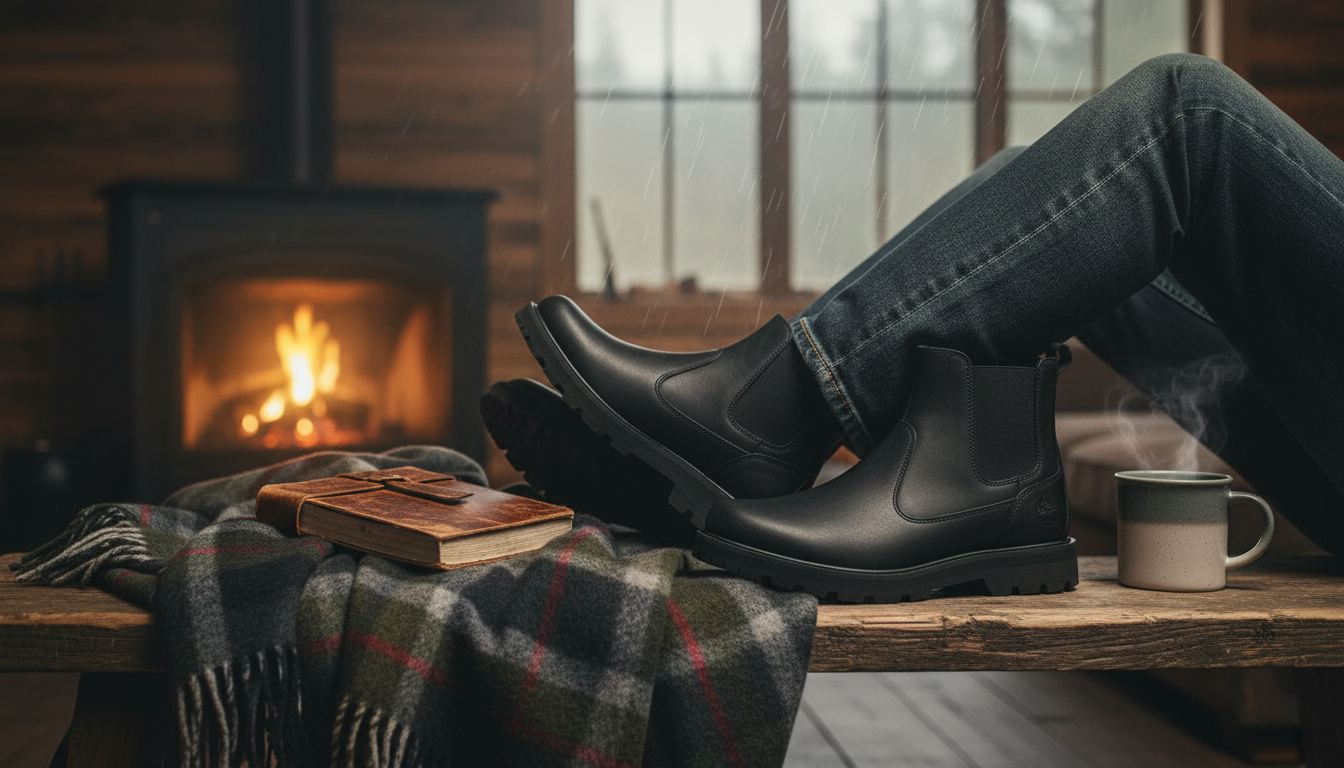
Timberland Men’s Leather Boots: Everyday Ruggedness with Classic Style
Leather boots earn their place when they can handle long days, unpredictable weather, and repeat wear without losing comfort or character. Timberland’s men’s leather boots are a go-to for that balance—work-to-weekend versatility, supportive build, and an iconic look that pairs easily with casual wardrobes. Whether you’re logging commuter miles, stepping out on a crisp evening, or keeping things simple with jeans and a jacket, a well-built leather boot can pull double duty without feeling overdone. For more guidance, see Timberland Boots Men.
Quick look: what these boots are built to do
- Designed for daily wear with a durable leather upper and sturdy sole construction
- A practical choice for cooler seasons, city walking, and light outdoor use
- Classic lace-up boot styling that works with jeans, chinos, and utility fits
- Best results come from proper sizing, a short break-in period, and basic leather care
| Detail | What to know |
|---|---|
| Product | Timberland Men’s Leather Boots |
| Price | $105.51 (USD) |
| Availability | In stock |
| Upper | Leather (check the product page for exact leather type/finish) |
| Closure | Lace-up (typical for this style) |
| Best for | Everyday wear, casual outfits, cooler weather, light outdoor walking |
| Care basics | Clean, condition, and protect with a water/stain repellent |
If you’re also shopping for a sleek lace-up silhouette on the women’s side, take a look at Alviero Martini Prima Classe Women’s Lace-Up Shoes for a more polished, street-ready alternative. For further reading, see Timberland Boots & Shoes.
Materials and build quality to look for
- Leather upper: look for a consistent grain, even dye, and clean stitching along high-flex areas near the toe box.
- Seams and welting: tighter stitching generally improves longevity and helps reduce early separation.
- Outsole: deeper lugs typically grip better on wet pavement and packed dirt; flatter tread is better for indoor floors but can slip more outdoors.
- Collar and tongue padding: adds comfort and helps reduce lace bite during longer walks.
- Hardware (eyelets/hooks): sturdy metal hardware improves lacing security and resists bending over time.
Leather is also a material where sourcing and processing can vary widely. If responsible leather production matters to you, it’s worth learning what the Leather Working Group does to promote improved environmental practices in the leather supply chain.
Fit and sizing: getting the feel right from day one
- Toe room: aim for a thumbnail’s width in front of the longest toe while standing; toes should not press the front on downhill steps.
- Heel security: a little lift during the first wear can be normal, but persistent heel slip usually means the size/volume is off.
- Width matters: if the forefoot feels pinched or the pinky toe rubs, try a wider option (when available) or a thinner insole/sock adjustment.
- Sock strategy: medium-weight socks help fill volume and reduce friction; avoid thin dress socks during break-in.
- Lacing adjustment: use tighter lacing at the ankle for stability and slightly looser across the forefoot to prevent numbness.
When the fit is right, the boot should feel structured rather than tight. A firm heel cup and supportive midfoot will feel “secure,” but you should still be able to wiggle your toes and flex your foot naturally when walking.
Comfort and break-in: how to avoid hotspots
- Start with short wears: 30–60 minutes indoors helps identify rubbing points before committing to a full day.
- Watch common hotspot zones: heel counter, top eyelets, and the outer forefoot are frequent friction areas in new leather boots.
- Use targeted fixes: moleskin or blister patches for hotspots; heel grips can reduce lift if sizing is close.
- Insole tuning: if arch support feels insufficient, a supportive insole can improve comfort for long standing/walking.
- Let leather adapt: leather typically softens and molds with wear, but soaking or force-drying can damage it.
A smart break-in is less about “toughing it out” and more about preventing friction from turning into blisters. If you feel burning, pinching, or numbness, adjust lacing and socks immediately—those are early warning signs, not something to push through.
Traction, weather use, and where these boots shine
- Wet sidewalks: prioritize a confident tread pattern and keep the outsole clean—packed mud reduces grip.
- Cold weather: leather helps block wind better than many textiles; thicker socks improve warmth without compromising support.
- Light outdoor use: great for parks, packed trails, and urban terrain; for technical hikes, consider specialized hiking boots.
- Water exposure: leather resists light moisture better when protected, but continuous wet conditions call for regular reproofing.
- Longevity tip: rotate footwear when possible—rest days help uppers dry and reduce odor buildup.
Cleaning, conditioning, and protection for leather boots
For step-by-step guidance and product-specific recommendations, see Timberland — Boot Care & Cleaning or REI’s practical overview, How to Care for Leather Boots. Consistent, light maintenance beats occasional deep scrubbing—especially if you wear your boots several times a week.
Styling ideas: from workwear to smart-casual
FAQ
Are these leather boots waterproof?
Leather can resist light moisture, especially when treated, but true waterproofing depends on the specific model and any waterproof lining or sealed construction. Check the product page for waterproof markings and use a leather-safe water/stain protector for added defense.
How should leather boots be cleaned and conditioned?
Brush off debris first, then wipe with a damp cloth or leather-safe cleaner. Condition lightly when the leather looks dry or stiff, and finish with a water/stain repellent; always air-dry away from direct heat.
Should sizing be snug or roomy for leather boots?
Aim for a secure heel and enough toe room to wiggle without touching the front of the boot. Leather will soften with wear, but pain or numbness usually means the size or width is off—use socks and lacing to fine-tune, not to “force” a fit.













Leave a comment